
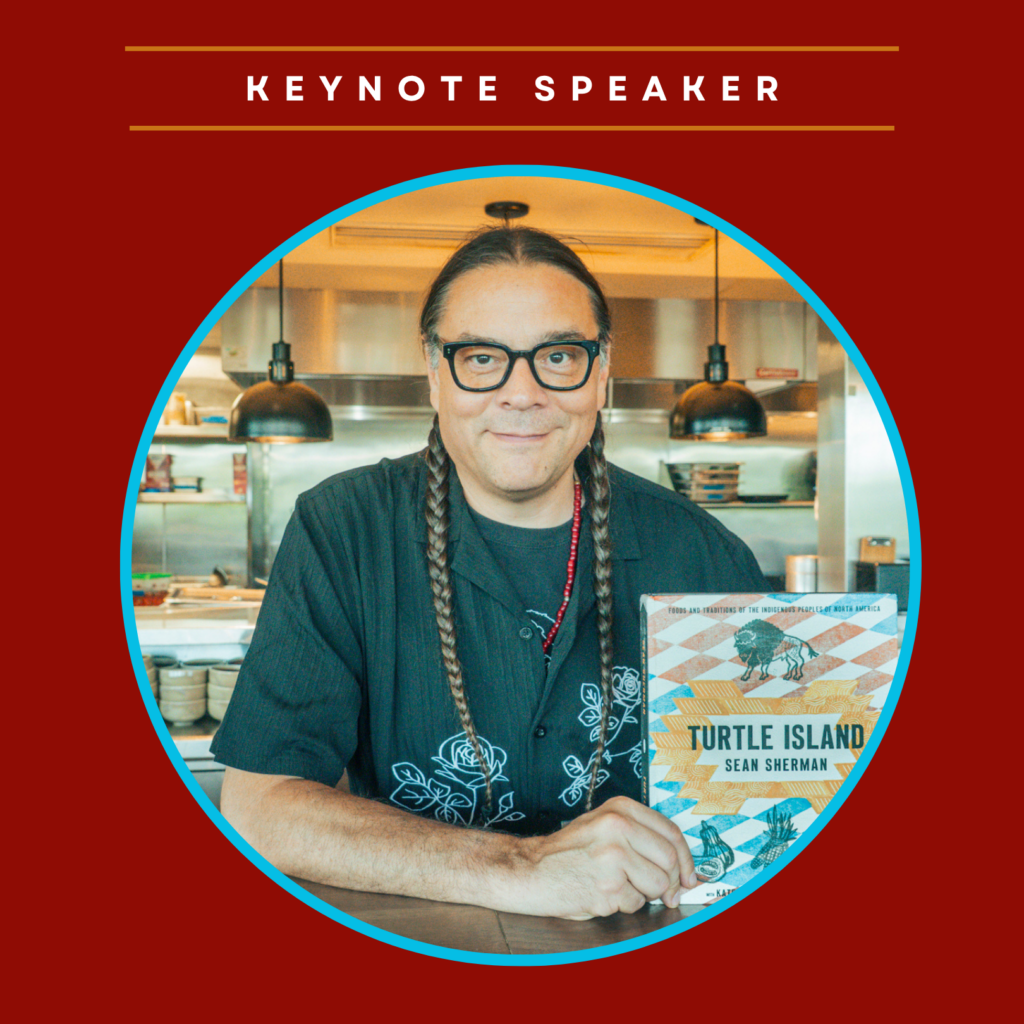
Chef Sean Sherman, an enrolled member of the Oglala Lakota Tribe, was born and raised on the Pine Ridge Indian Reservation in South Dakota. His work focuses on the revitalization and evolution of Indigenous food systems throughout North America. Through his advocacy, education, and culinary leadership, Sean works to reclaim and celebrate the rich food traditions of Indigenous communities while advancing a more equitable and sustainable food future.
Sean has dedicated his career to supporting Indigenous food systems and advancing Native food sovereignty. As founder and Executive Director of North American Traditional Indigenous Food Systems (NATIFS), he leads efforts to revitalize Indigenous foodways through education, workforce development, and Indigenous food enterprises. By restoring Indigenous food systems, NATIFS seeks to address longstanding economic and health disparities while creating opportunities for Native communities to thrive.
In 2017, Sean published his first book, The Sioux Chef’s Indigenous Kitchen, with co-author Beth Dooley. The book received the James Beard Award for Best American Cookbook in 2018. He was also honored with the James Beard Foundation’s Leadership Award in 2019. In 2021, Sean opened Owamni by The Sioux Chef, Minnesota’s first full-service Indigenous restaurant, which has earned numerous local and national accolades, including the James Beard Foundation’s 2022 award for Best New Restaurant in America. In 2023, Sean was recognized as one of TIME magazine’s 100 Most Influential People and received the ninth annual Julia Child Award for his leadership, innovation, and advocacy in transforming Indigenous cuisine. Most recently, he co-authored Turtle Island: Foods and Traditions of the Indigenous Peoples of North America with Kate Nelson and Kristin Donnelly. Released in late 2025, the book was nominated for a James Beard Award.
Watch Chef Sean Sherman’s TED Talks
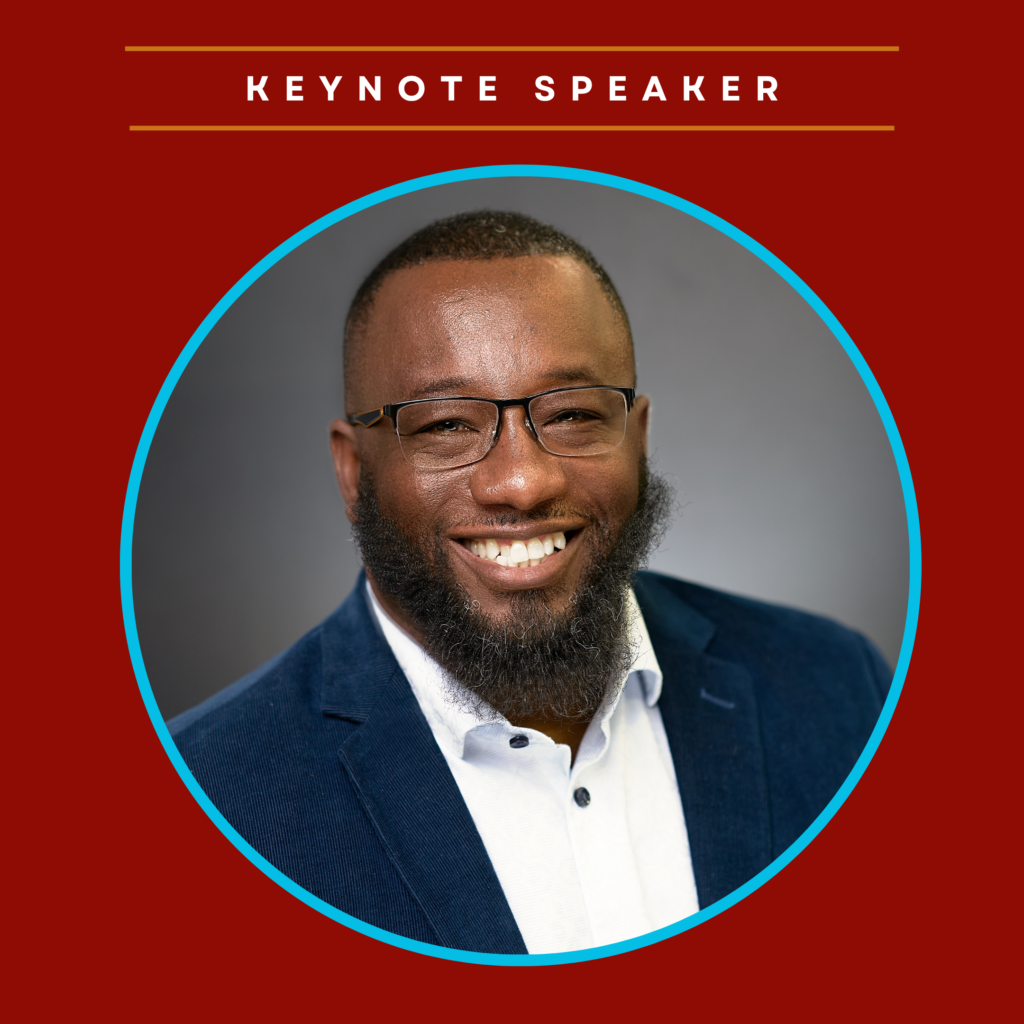
Pastor Dewayne McCoy is the visionary founder behind The After Market, a community‑driven hybrid grocery concept designed to bring fresh, accessible, and dignified retail options to underserved neighborhoods. Known for his strategic mindset and deep commitment to social impact, Pastor McCoy created The After Market as a modern solution to food insecurity; one that blends convenience, affordability, and thoughtful design.
Rooted in his experiences growing up in communities where quality food options were limited, Pastor McCoy recognized early on that access shapes opportunity. His mission became clear: build a scalable model that brings essential goods directly into the heart of neighborhoods that need them most. This vision led to the development of The After Market and The After Market Mini.
Under Pastor McCoy’s leadership, The After Market emphasizes:
Smart, compact retail design that maximizes product variety in small footprints
Neighborhood‑centered placement, including parks, housing communities, and walkable corridors
Affordable essentials, with a focus on fresh foods, dairy, snacks, and everyday household items
A welcoming, modern brand identity that reflects dignity and empowerment
Beyond the business model, Pastor McCoy is driven by a broader purpose: creating infrastructure that supports marginalized communities. His work intersects entrepreneurship, urban design, and social equity, positioning The After Market as both a retail solution and a community asset.
As the concept continues to grow, Pastor McCoy remains focused on expanding access, refining the model, and inspiring new approaches to community‑based retail. His leadership reflects a simple but powerful belief—every neighborhood deserves quality, convenience, and care.
Pastor McCoy currently serves on the Nevada Energy Affordability Community Council, Resilience Hub Collaborative Wise Council, Faith in Action Nevada Pastoral Cohort, and as a vital member of the Pathways from Poverty Coalition of Community Partners headed by Clark County Commissioner Marilyn Kirkpatrick.
Pastor McCoy also served for over seven years in leadership at Three Square, Southern Nevada’s only food bank and the largest hunger relief organization in Nevada serving Clark, Nye, Lincoln, and Esmeralda counties. During his tenure at Three Square, he helped write, initiate, and manage their emergency response to the COVID‑19 Pandemic.
Watch Pastor DeWayne McCoy’s TED Talk

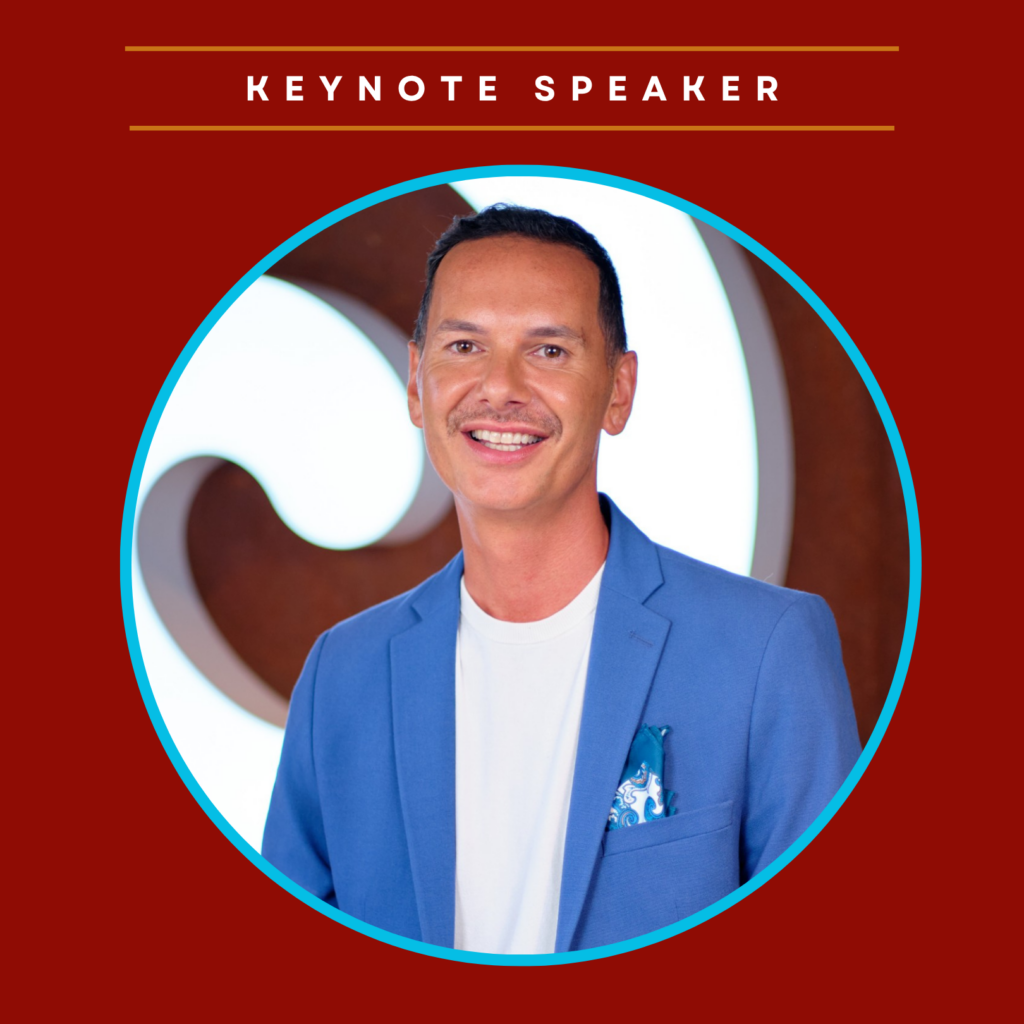
Peter-Lucas Jones (Te Aupōuri, Ngāi Takoto, Te Rarawa and Ngāti Kahu) is Chief Executive Officer of Te Hiku Media, where he leads the organisation’s work at the intersection of Indigenous language revitalisation, technology and media. Under his leadership, Te Hiku Media has become internationally recognised for developing natural language processing technologies for te reo Māori, including speech recognition, text-to-speech, speech synthesis, and pronunciation modelling that are helping shape the digital future of Indigenous languages. Peter-Lucas is also an award-winning broadcaster and a highly proficient speaker of te reo Māori.
His work focuses on strengthening intergenerational language transmission through technology while advancing Indigenous data sovereignty, ethical AI, and Indigenous-controlled digital infrastructure. Widely recognised for his expertise in Māori language corpora and language technologies, Peter-Lucas was named to TIME Magazine’s 2024 list of the world’s 100 most influential people in AI. He also received the Te Tihi Award at the 2025 Te Taitokerau Māori Business Awards for his internationally recognised work in AI and language revitalisation.
Alongside his executive leadership, Peter-Lucas serves as Chairman of Te Rūnanga Nui o Te Aupōuri, Chair of Te Whakaruruhau o Ngā Reo Irirangi Māori (The Māori Radio Network), Co-convener of Ngā Toki Whakarururanga, and Chair of Mahimaru Marae. He is a former Deputy Chairman of Māori Television, a former elected member of the Northland Regional Council, and a former Historical Treaty Claims Negotiator.

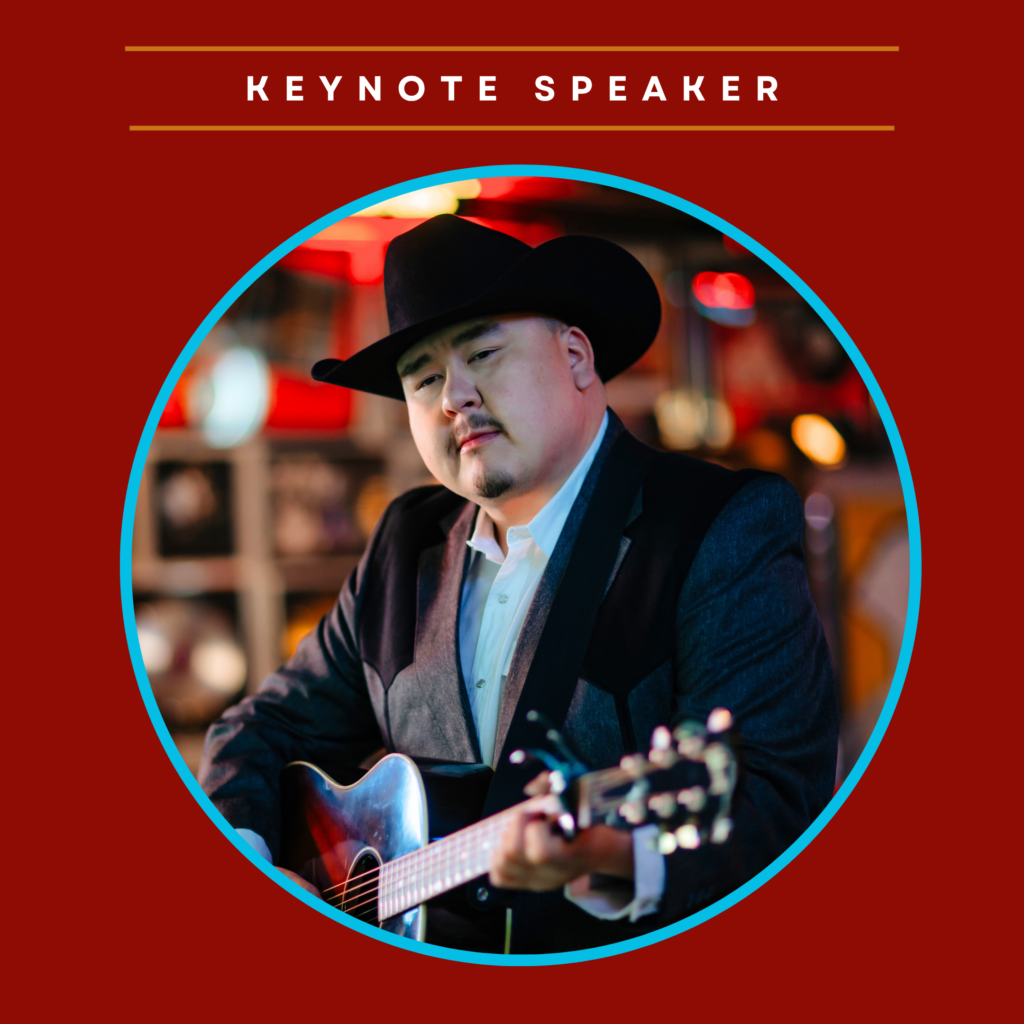
William Prince brings his unmistakable voice and deeply moving songwriting to the stage in support of his latest album, Further From the Country. A two-time JUNO Award winner, Prince meets the challenge of putting incisive and enduring words to this age of uncertainty. Further From the Country, his fifth LP, is an extraordinary work of observation, reflection and ambition, a work that will leave its mark on listeners for its humanity and its potency.
Carrying forward great legacies of family and songcraft, Prince offers a perspective that is both singular and significant, sharing personal and universal truths with humanity and potency. Whether on renowned stages like Newport Folk Festival and Massey Hall or in more intimate settings, Prince creates a rare connection with audiences—his performances unfolding as thoughtful, story-rich experiences that linger long after the final note.

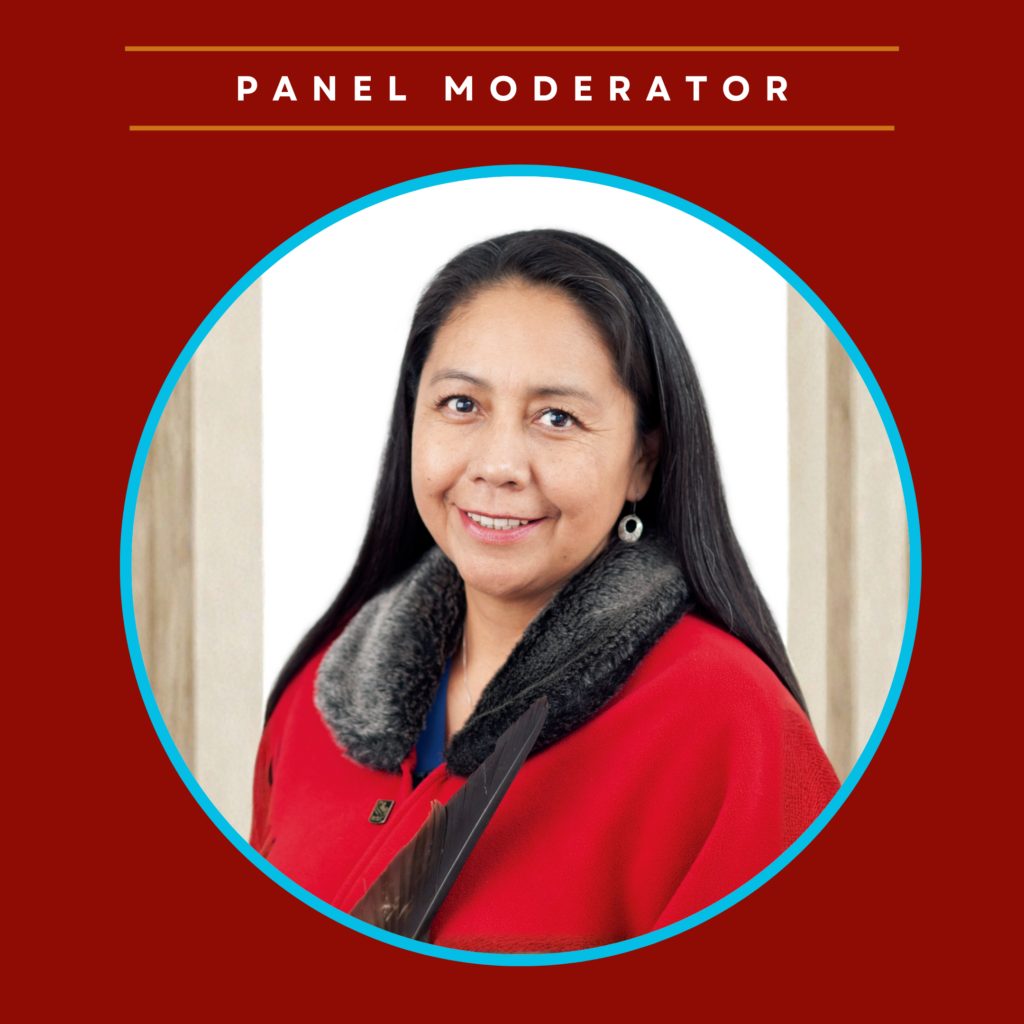
Tracy Antoine is a respected Indigenous leader and National Advisor at RBC, bringing over 40 years of experience bridging Indigenous communities, governments, and financial institutions.
Her work focuses on advancing economic reconciliation, strengthening relationships, and fostering sustainable prosperity for First Nations, Inuit, and Métis peoples, grounded in respect for community priorities, cultural protocols, and Nation-led decision-making. Renowned for her ability to “walk in two worlds,” Tracy integrates Indigenous knowledge systems into corporate strategies while translating complex financial structures into accessible solutions for communities.
Prior to joining RBC in 2006, she served two decades in First Nations governance, contributing to national dialogues such as the Assembly of First Nations (AFN),Canada Mortgage and Housing Corporation (CMHC) and others. At RBC, she held roles including Vice-President, Indigenous Markets (2019–2023), developing community-informed financial strategies. In her current role, she provides strategic guidance on Indigenous relations, large transactions, government guarantee programs, policy, and reconciliation initiatives, aligning with the Truth and Reconciliation Commission’s Calls to Action #92 and the UN Declaration on the Rights of Indigenous Peoples.
Tracy holds an MBA from Athabasca University and is pursuing doctoral studies at the University of British Columbia, focusing on Indigenous relationality in education studies on the topic of Indigenous economic reconciliation. She remains a dedicated advocate for cultural inclusion and community empowerment.

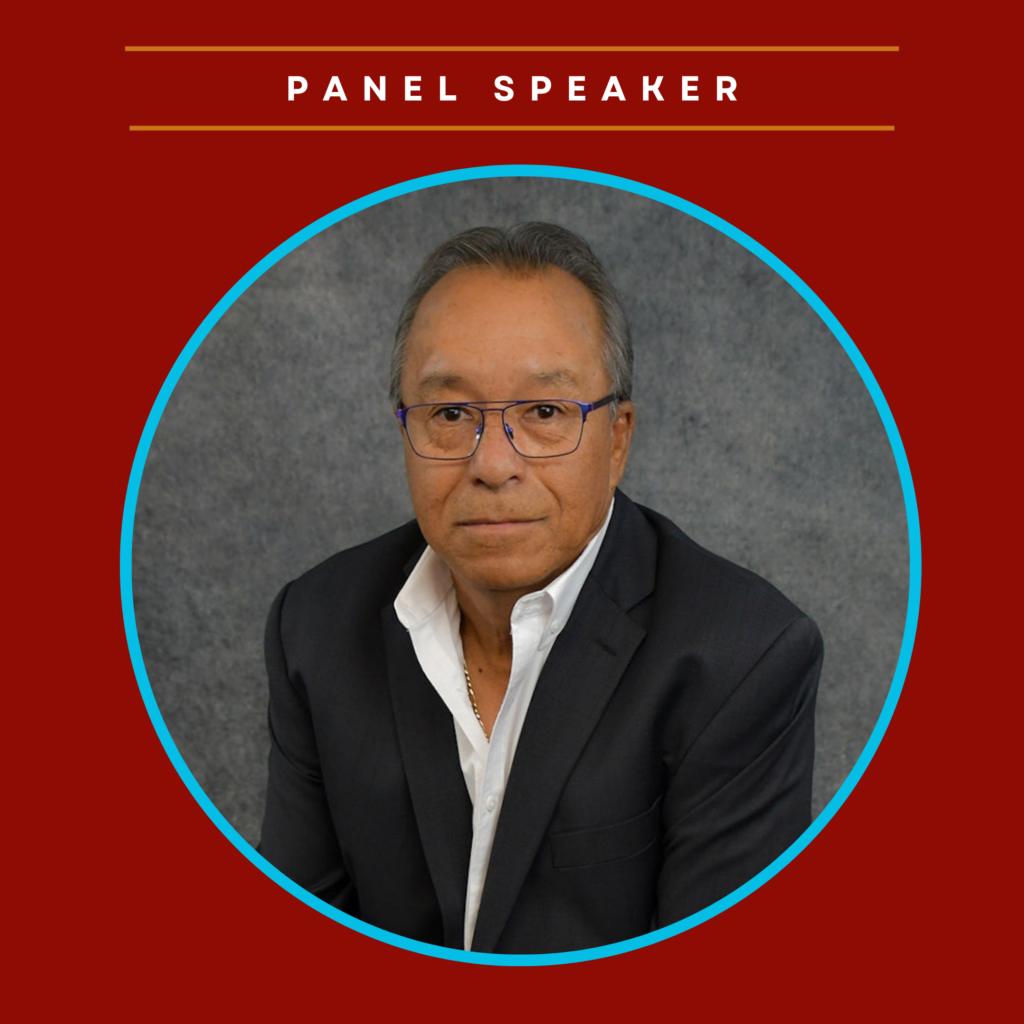
Don is the CEO for George Gordon Developments Ltd. He has over 30 years experience in business development and
project management. He has been a part of the management team of GGDL for the past 8 years and was the lead negotiator for George Gordon First Nation finalizing the relationship agreement between BHP and George Gordon First Nation. Don’s previous experiences includes City of Regina, Government of Saskatchewan; Government Relations, Ottawa; and CEO, Aboriginal Investment Fund.
Don is happily married to his wife Bonny, and a proud father to his sons Derrick and Donald Jr.

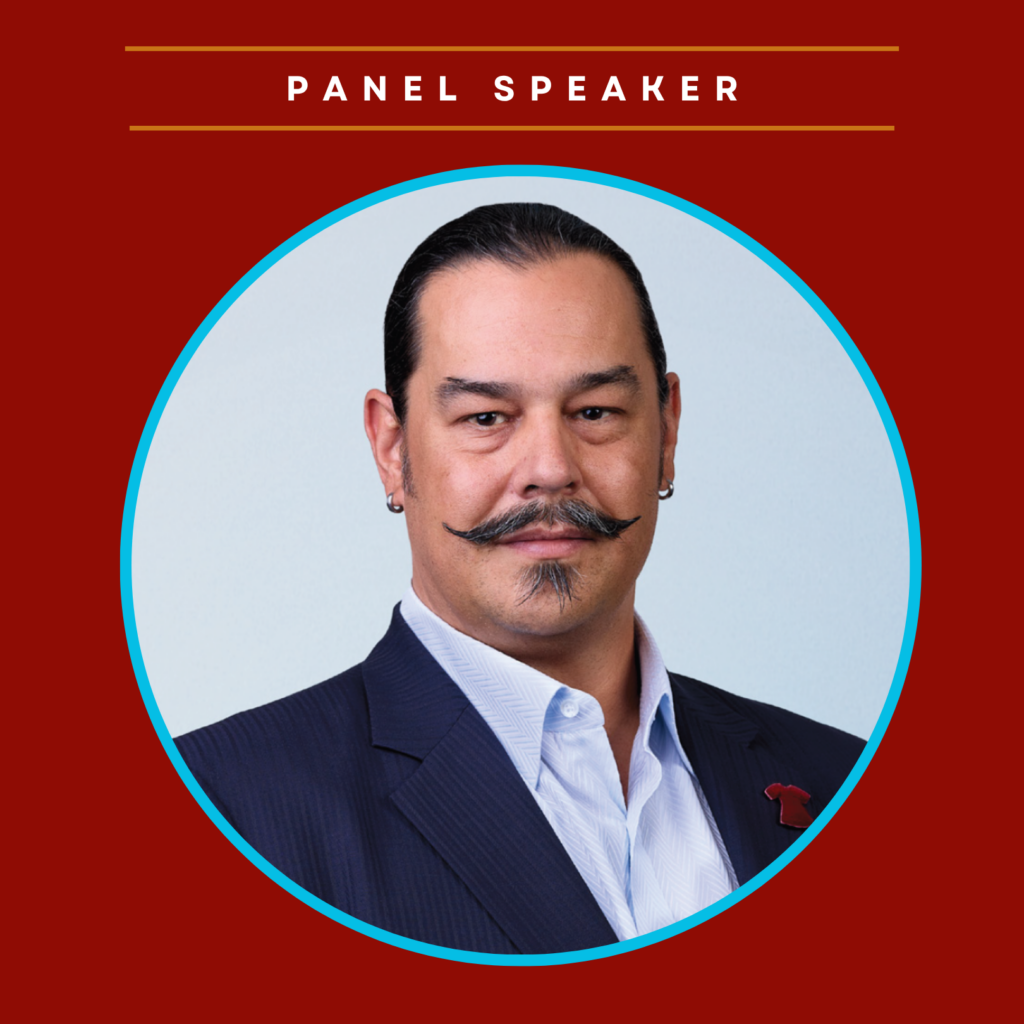
Shaun is a member of Red Pheasant Cree Nation, a signatory of Treaty 6 located south of Battleford, Sask. As Vice-President, Indigenous Relations at FCC, his focus is on activities that will enable reconciliation and economic development for Indigenous communities, including increasing participation in and access to capital for primary production through the agri-food and agribusiness value chains. Shaun also builds intersections for growth, understanding, partnerships, research and knowledge dissemination between government, industry, non-profits, academia and Indigenous stakeholders through FCC’s national network of partners and industry stakeholders.
Shaun joined FCC in 2019, eager to be part of the agriculture industry and work with Indigenous individuals, communities and economic development corporations as they build and revitalize their agriculture projects. He has over 30 years of experience in social and economic development work and held senior positions with the Saskatchewan Indigenous Economic Development Network, Saskatoon Regional Economic Development Authority, the Federation of Sovereign Indigenous Nations, Saskatchewan Advocate for Children and Youth, the University of Saskatchewan and the Department of Justice. Shaun is proud to sit on the TELUS Indigenous Advisory Council and on the boards of Indigenous Works, the National Circle for Indigenous Agriculture and Food, and Cooperatives First.

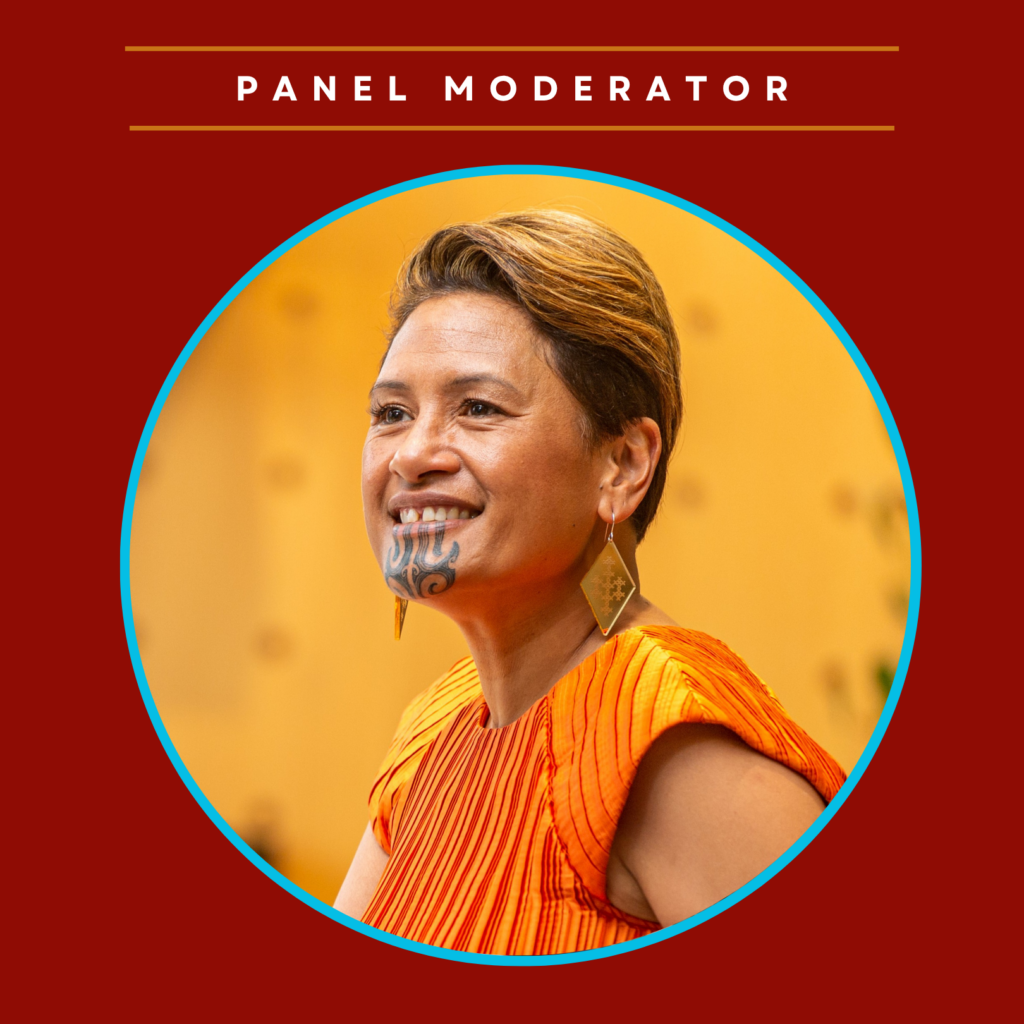
Rachel Petero, a Māori leader from Waikato, champions Indigenous leadership and economic empowerment. She founded IWI – Indigenous Women in Industry, a platform for empowering Indigenous women globally. The first event was in New Zealand in 2024, with future gatherings in Canada, Australia, and the U.S.
With over 15+ years of experience, Rachel specializes in leadership development, executive coaching, and cultural capability. She launched Rise Global in 2015, offering Indigenous-led business solutions. Her governance experience spans various sectors, including healthcare and tribal development.
Rachel remains committed to impactful change and collaboration, building a legacy with her husband, John, her family, tribe and communities.

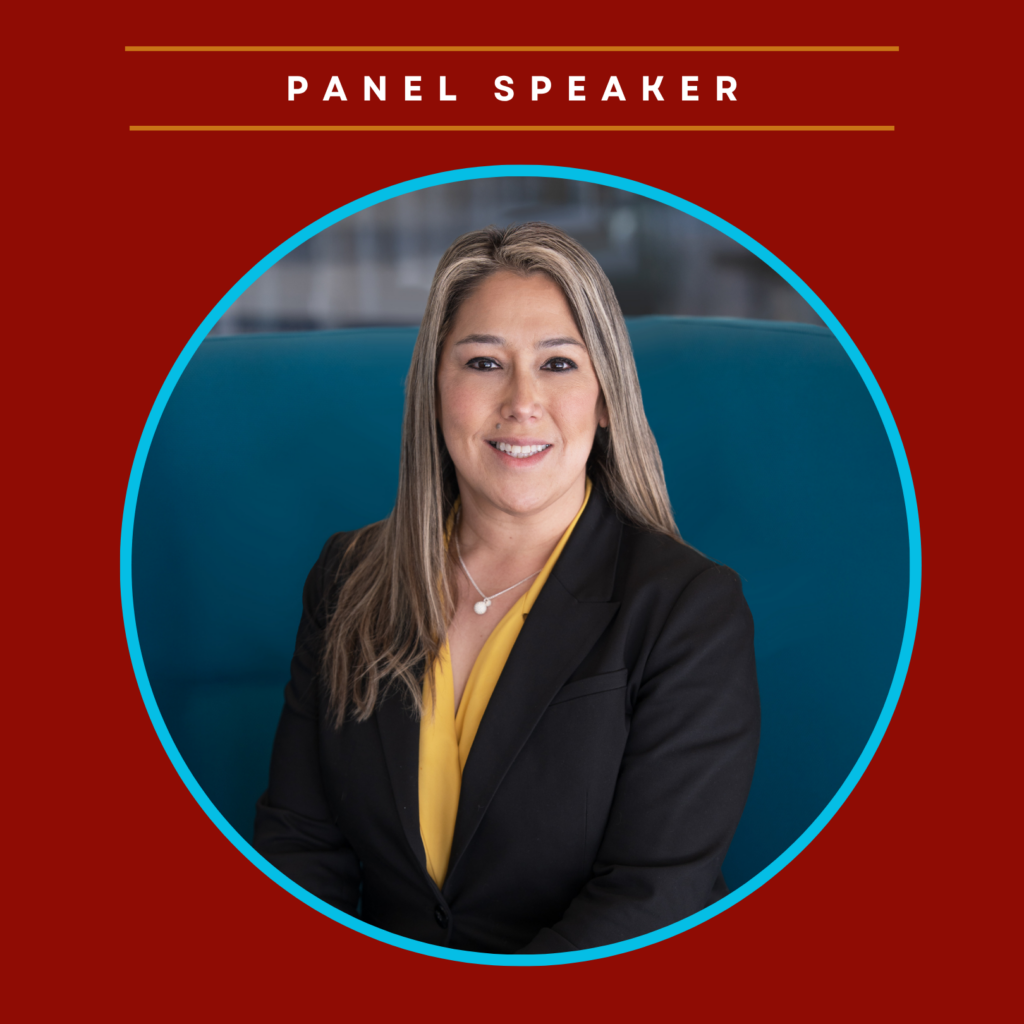
Michelle Cameron is a proud member of Peguis First Nation and the Founder and CEO of Dreamcatcher Promotions, Canada’s largest Indigenous-owned promotional products company. What began in 2011 with a single embroidery machine in her home has grown into a thriving group of businesses that employ dozens of people and serve clients across the country.
In addition to Dreamcatcher Promotions, Michelle is the Founder of the Indigenous Nations Apparel Company, a nationally recognized Indigenous clothing brand, and Dreamcatcher Executive Offices, Manitoba’s first Indigenous-owned co-working space located on urban reserve land.
Michelle’s journey to success was not a straight path. Growing up in a family affected by intergenerational trauma and the lasting impacts of residential schools, she experienced challenges that could have easily defined her future. Instead, she transformed those experiences into fuel for building businesses that create opportunities for others and contribute to meaningful economic reconciliation.
Her leadership and vision have earned her numerous honours, including National Indigenous Business of the Year from the National Aboriginal Capital Corporations Association, the Manitoba Champions Award, the Spirit of Winnipeg Award, and several national business recognitions.
Today, Michelle serves on several influential boards and is recognized as one of Canada’s leading Indigenous business voices. Through her powerful storytelling, honesty, and lived experience, she inspires audiences to overcome adversity, embrace leadership, and build lives and businesses rooted in purpose.

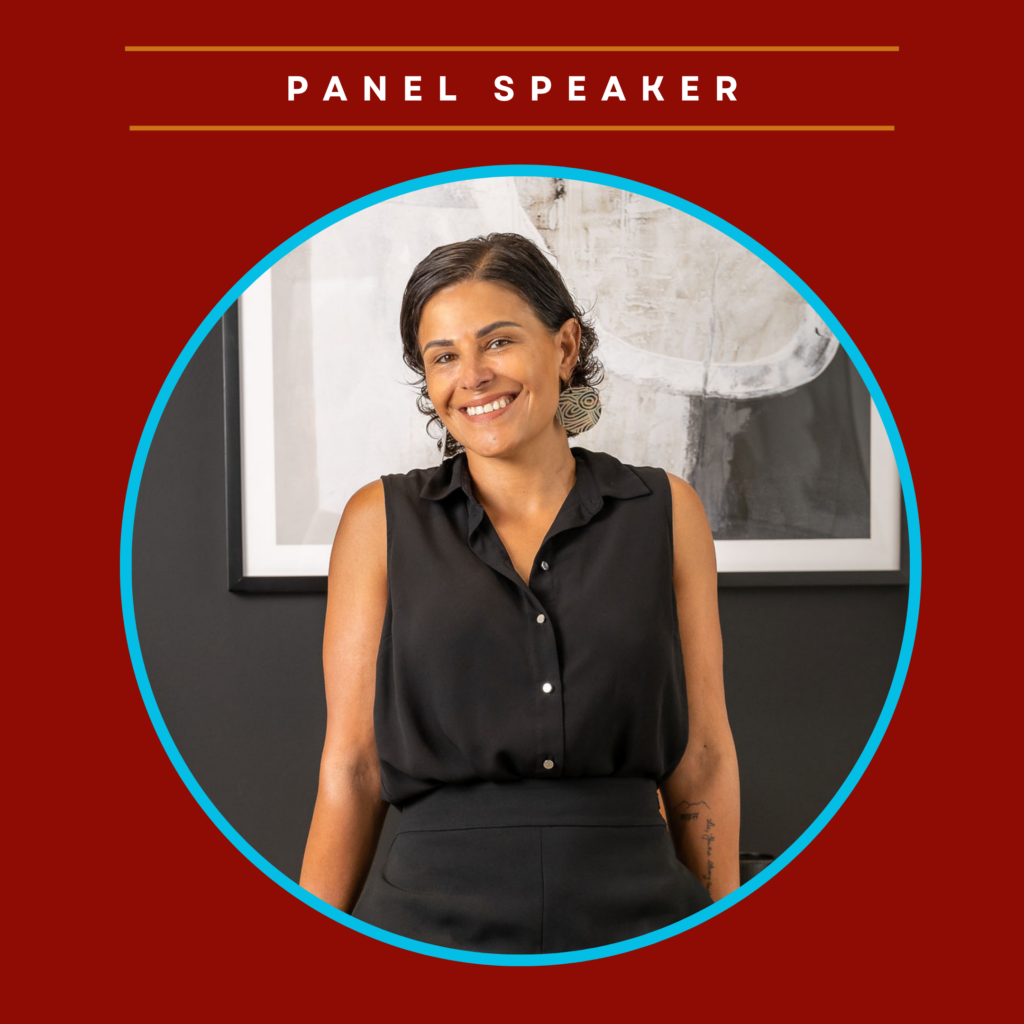
Kristal Kinsela is a proud Jawoyn and Wiradjuri woman, passionate Indigenous business leader, board director, author and speaker who is an expert at connecting people and moving them into action.
With over 20 years of professional experience 15 years non executive director roles and 10 years of self employment running her own business, Kristal has worked with global organisations and all levels of government to build leadership capability, strengthen organisational culture, and improve decision-making.
She is the author of Supplier Diversity How, still the only book dedicated to Indigenous procurement in Australia, and the host of Meet the Mob, a podcast amplifying the voices and stories of Aboriginal people. A sought-after facilitator and trusted advisor, Kristal is highly regarded for her expertise in stakeholder engagement and her ability to build bridges between Aboriginal businesses, government, and industry.
Kristal currently serves as a Non Executive Director of Uniting NSW/ACT, Non Executive Director at Many Rivers, Council Member of Charles Sturt University, Board Member of the Woolworths Group First Nations Advisory Board, and Independent Director Uniting Care Australia.
Kristal is dedicated to growing the capabilities of individuals, challenging thinking, and moving leaders into meaningful action.

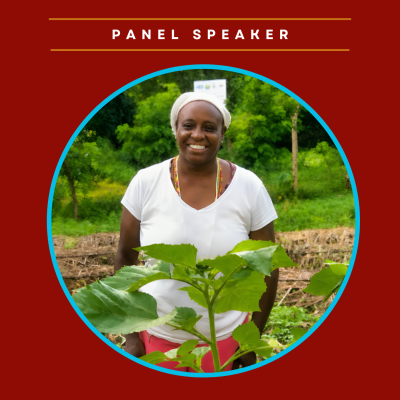
Bio coming soon – Miigwetch for your patience!

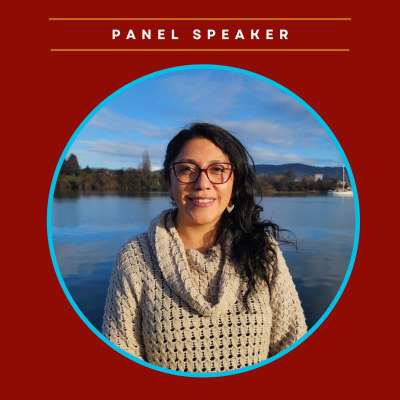
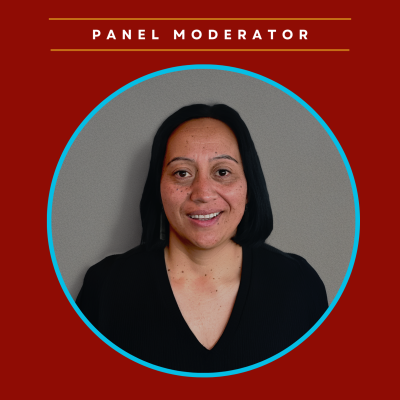
Erica Lambert’s tribes are Te Paatu, Te Aupōuri, Te Rarawa, and Ngāi Takoto – her ancestral lands located in the Far North of Aotearoa, New Zealand. With over 25 years working alongside Aboriginal communities, her experience spans grassroots community development, Indigenous research, executive leadership, and working within the corporate banking sector.
Her approach is grounded in relational practice, collective leadership, and indigeneity methodologies, positioning Indigenous-led systems as the foundation for sustained regional and generational prosperity.
At CQID, Erica leads the transition from program-based service delivery to integrated, infrastructure-led systems bringing together government, corporate, philanthropic, and Indigenous partners to unlock pathways for economic and social outcomes at scale.
Her work extends across national and international Indigenous initiatives, creating pathways that strengthen Indigenous partnerships, leadership, and opportunities for the next generation. She has also led numerous cultural study tours and international exchanges between Aotearoa and Australia, strengthening cross-cultural capability and establishing internships while shaping approaches to cultural governance and system design. She has also influenced state policy reform in Victoria through convening the first national summit in Australia on tackling methamphetamine.

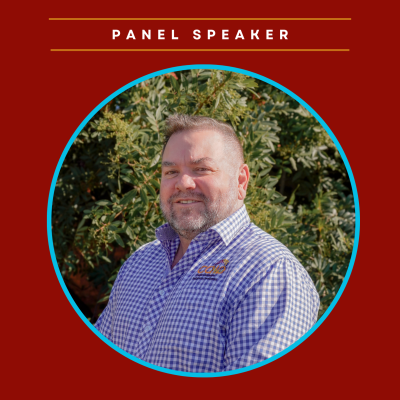
Jason Field is a proud descendant of the Wiradjuri people and an experienced Indigenous Affairs leader with over 30 years’ experience across the private, public, and community sectors.
With over two decades as CEO of Central Queensland Indigenous Development (CQID), he has led the organisation’s transformation from a service provider into a regionally significant platform for Indigenous-led system change. Under his leadership, CQID now operates at scale with a predominantly Aboriginal and Torres Strait Islander workforce. Jason’s influence extends across governance and sector reform, including serving as Chairperson of the Queensland Aboriginal and Torres Strait Islander Child Protection Peak Limited (QATSICPP) for a decade, alongside board roles with the Community Legal Centre Rockhampton and the Queensland Indigenous Housing Alliance.
Jason also leads initiatives that connect systems to community, including the establishment of the Emu Park Rugby League Football Club, securing funding to establish a major sporting complex and youth facility in partnership with Elders, and creating the CQID’s Reconciliation Carnival – creating spaces where culture, connection, and community leadership are visible and active.
Jason proudly leads the only regionally based Indigenous organisation in Central Queensland, positioning CQID as a Regional and National platform for long term community impact and equity.
Jason Field is a proud descendant of the Wiradjuri people and an experienced Indigenous Affairs leader with over 30 years’ experience across the private, public, and community sectors.
With over two decades as CEO of Central Queensland Indigenous Development (CQID), he has led the organisation’s transformation from a service provider into a regionally significant platform for Indigenous-led system change. Under his leadership, CQID now operates at scale with a predominantly Aboriginal and Torres Strait Islander workforce. Jason’s influence extends across governance and sector reform, including serving as Chairperson of the Queensland Aboriginal and Torres Strait Islander Child Protection Peak Limited (QATSICPP) for a decade, alongside board roles with the Community Legal Centre Rockhampton and the Queensland Indigenous Housing Alliance.
Jason also leads initiatives that connect systems to community, including the establishment of the Emu Park Rugby League Football Club, securing funding to establish a major sporting complex and youth facility in partnership with Elders, and creating the CQID’s Reconciliation Carnival – creating spaces where culture, connection, and community leadership are visible and active.
Jason proudly leads the only regionally based Indigenous organisation in Central Queensland, positioning CQID as a Regional and National platform for long term community impact and equity.
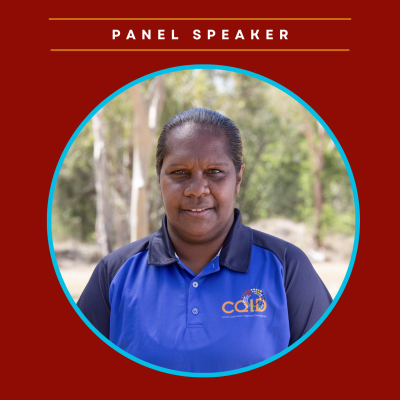
Kylie Major-Oakley is a Waluwarra and Kurtijar woman whose leadership is grounded in lived experience, cultural authority, and deep connection to her community of Woorabinda in Central Queensland.
With more than two decades at CQID, Kylie has played a central role in shaping and sustaining community-controlled responses that reflect the strengths, needs, and aspirations of her people. Her work embodies self-determination in practice ensuring decisions, services, and systems are led by community for community.
Kylie leads the design and delivery of place-based approaches that strengthen families, build local capability, and embed long-term wellbeing. Her leadership has been instrumental in re-establishing key community initiatives, including men’s rehabilitation services, while continuing to create pathways that support stability, healing, and growth.
Her lived experience informs a grounded and practical leadership style, enabling her to navigate complex community contexts with clarity, accountability, and cultural integrity.
Kylie’s leadership reflects the strength of community in action building systems from within and creating pathways for future generations to lead.
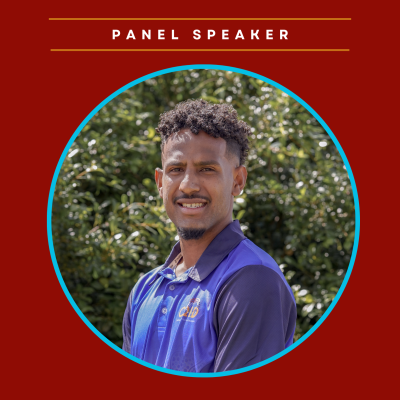
Antonio Mann is a proud Darumbal man of the Kuinmabra clan, with strong cultural connections across Torres Strait and South Sea Islander heritage. His work is grounded in Country, family, and lived experience, shaping a relational approach to supporting young people.
Through the Staying on Track program, he works alongside young people transitioning from detention back into community supporting them at critical points to rebuild connection, identity, and direction. His approach is built on trust, cultural understanding, and the belief that every young person can redefine their path.
The influence of the men and Elders in his family particularly his father and grandfather continues to guide his leadership, instilling a strong sense of responsibility to uphold culture and support others. His role as a father further strengthens this commitment, grounding his work in the future he is helping to create for his daughter and the next generation.
As a former ranger, he carries cultural obligations to care for Country and pass on knowledge. His work focuses on strengthening pathways for young people and contributing to safer, more connected communities for future generations.
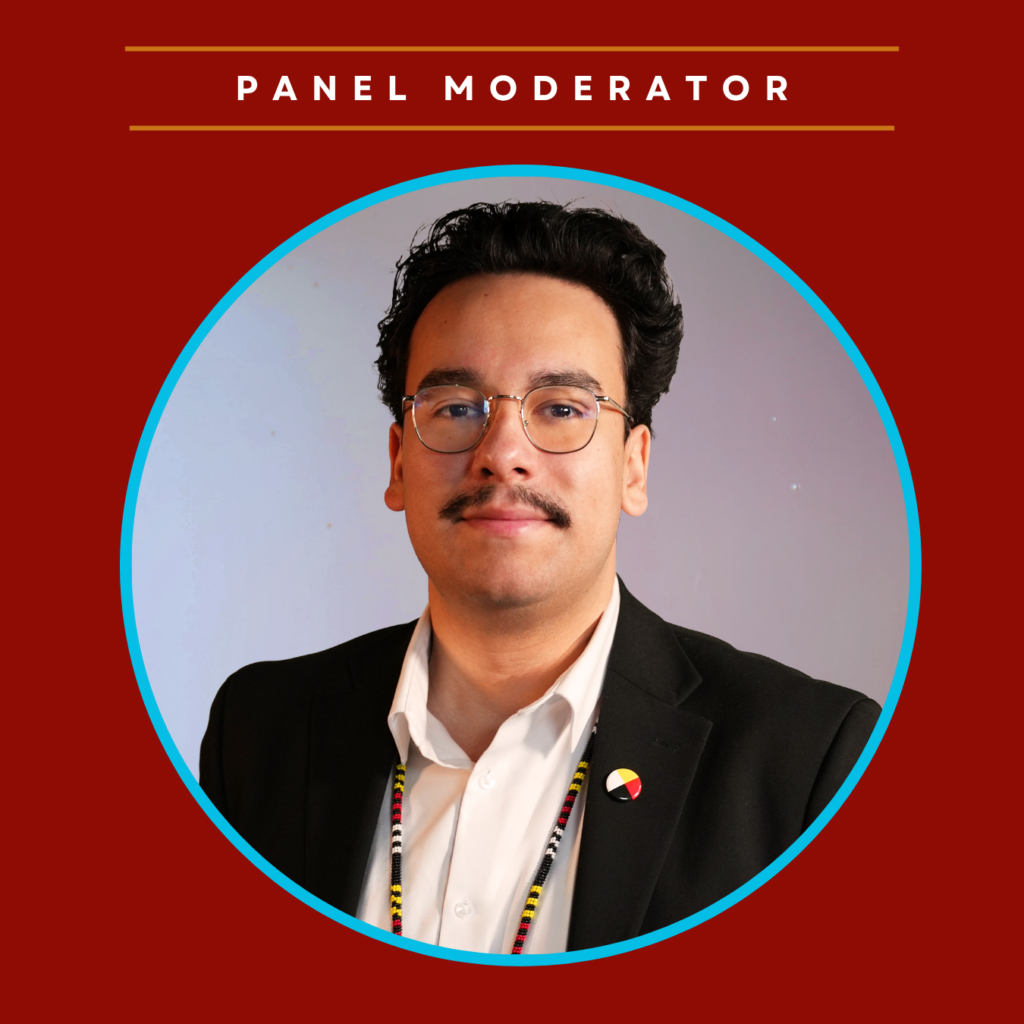
Zachary Flett is a First Nations entrepreneur from Sagkeeng First Nation and the founder of IndigiHub.
He started IndigiHub because he saw how difficult it could be for Indigenous entrepreneurs to find funding, resources, opportunities, and the right people to connect with. What started as an idea has grown into a platform reaching Indigenous entrepreneurs across Canada, with more than 150,000 organic impressions in its first year.
Zachary also leads Neechie Nights, a networking series built around bringing Indigenous entrepreneurs and community together in a way that feels real, welcoming, and actually useful.
A big part of his work is making sure Indigenous people are not just invited into business spaces, but are helping shape them.
For Zachary, entrepreneurship is about more than building a business. It is about opening doors, creating opportunities, and helping make the path a little easier for the next person coming up.

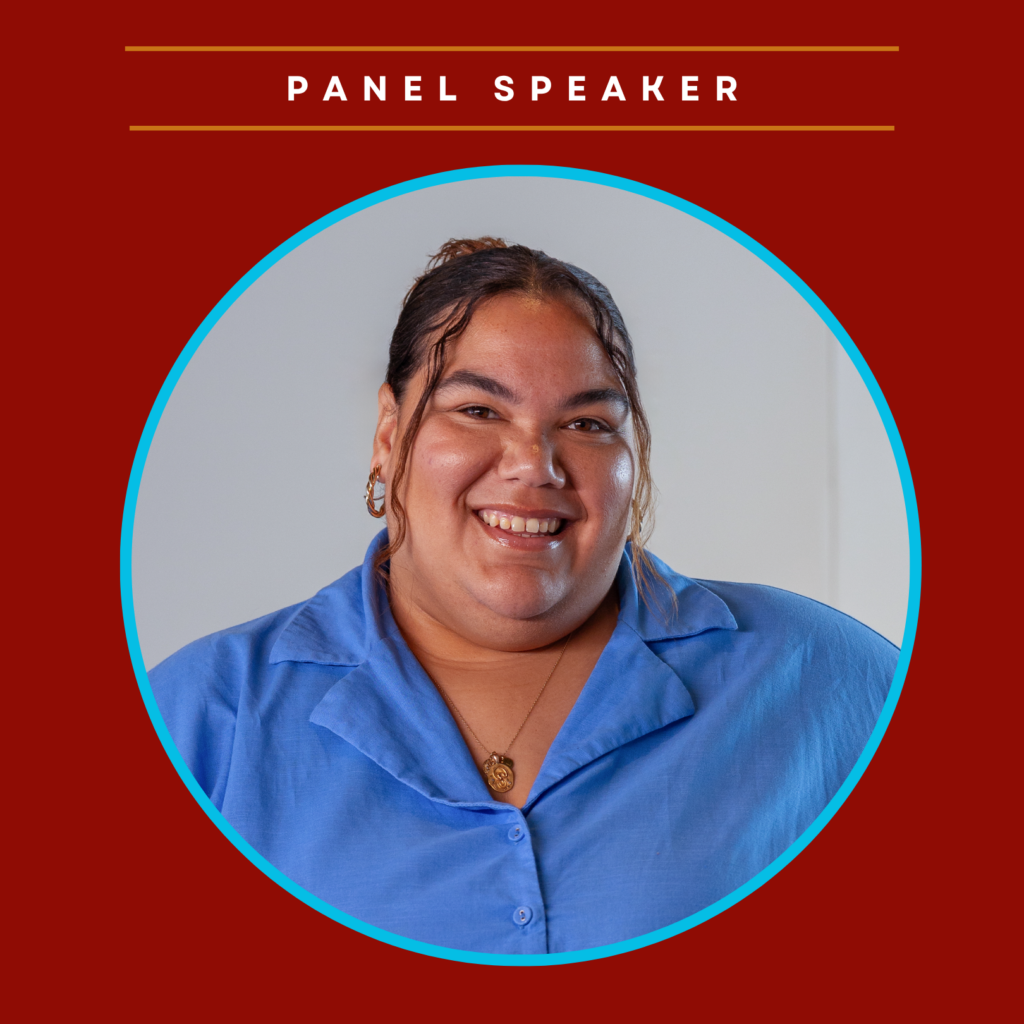
LeLarnie Hatfield is a proud Darumbal woman, educator, creative, and national language advocate whose leadership is grounded in lived experience, cultural authority, and guidance from her Elders.
Her work is centred on the protection, revitalisation, and transmission of Darumbal language and culture ensuring knowledge systems are not only preserved but actively lived across education and community. Through her role at Nullu Badi Ngudyubay Academy, she shapes learning environments that embed Darumbal ways of knowing, being, and doing, strengthening identity, belonging, and cultural continuity for future generations.
LeLarnie’s lived experience informs her approach to education and cultural practice, positioning culture as the foundation for learning, wellbeing, and community strength. She brings a deep understanding of the responsibility to carry and pass on knowledge, ensuring it remains relevant, visible, and accessible.
Alongside her education work, she is an accomplished storyteller and artist, working across digital art, writing, song, and film. Through her creative practice, she contributes to truth telling and the continuation of cultural knowledge across generations.
Her leadership ensures culture and language remain central to education, community life, and the strength of future generations
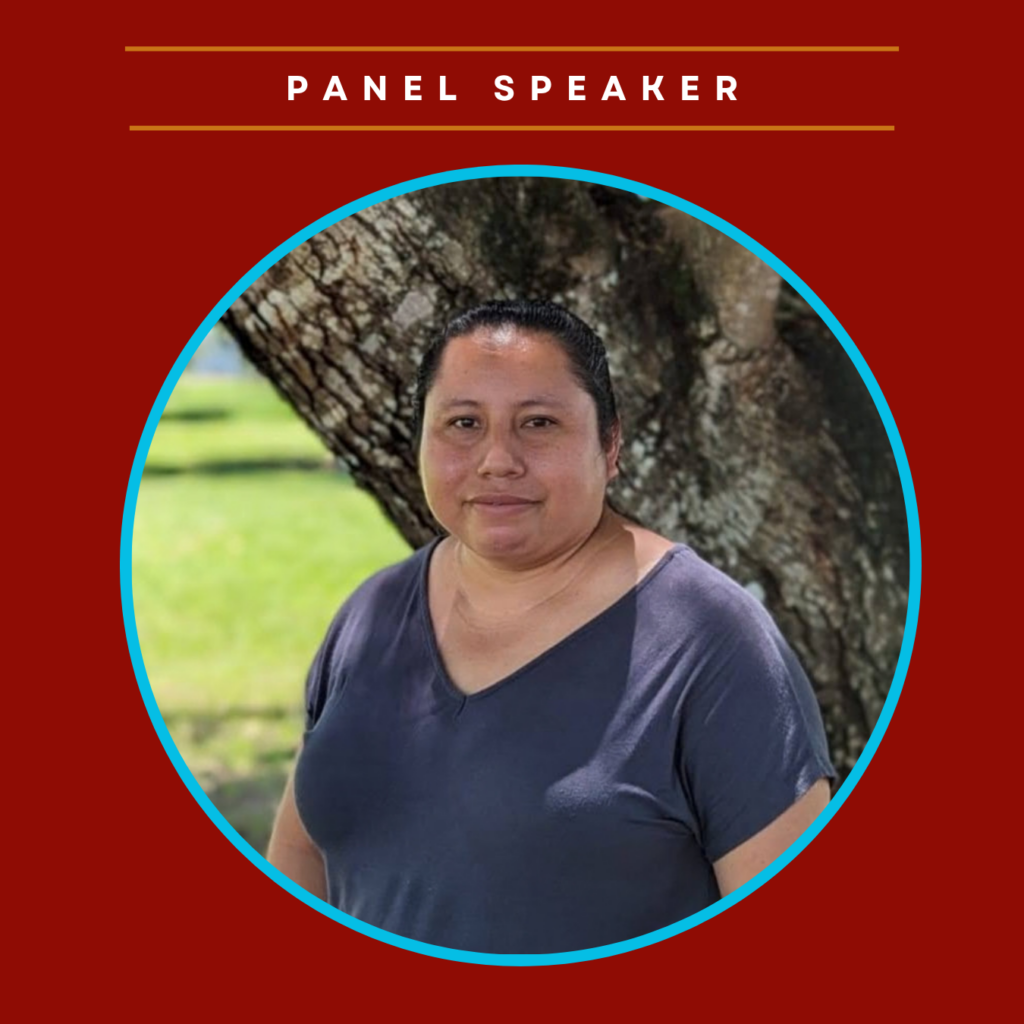
Abidas Ash is the manager and co-owner of Columbia River Source Farm (CRSF), located in San Pedro Columbia, a small Q’eqchi’ Maya village in the Toledo District of Belize. She co-developed the business alongside her father, Ignacio, drawing on a foundation the whole family has built: her mother, Zenobia, brings decades of experience in business and customer relations, and her sister plays a central role in keeping day-to-day operations running. Together, they are transforming land the family has stewarded for over 50 years using traditional Maya farming methods into a working demonstration of what sustainable, biodiverse agriculture can look like. Where Ignacio and Zenobia’s vision laid the groundwork for the farm’s living model, Abidas took the lead in shaping CRSF into a viable business, building it around eco-tourism, organic cacao production, and farm-based education.
Growing up on the farm gave Abidas an early understanding of how agriculture and conservation work together rather than against each other. That grounding led her to study Natural Resource Management and to build a career in biodiversity conservation in Belize. Her upbringing and professional training now feed directly back into CRSF, where she is developing new approaches to running an agroecological business that benefits nature, supports people, and preserves her cultural heritage.
As Manager, Abidas has grown CRSF from a family operation into a business with export reach. The farm now ships small batches of cacao to the UK and directly to individual customers in the United States. She represents CRSF at national platforms and continues to lead business development aimed at expanding the farm’s social and environmental impact.
Through CRSF, Abidas is working to show that a family’s inherited knowledge of the land, combined with modern conservation practice, can produce a genuinely one-of-a-kind model: a farm that sustains both its people and its biodiversity, while offering a different way of making a living from the resources already in your hands.
Darcie Guarderas is a Cree-Métis leader with more than 30 years of senior-level experience in the Canadian tourism industry. As Co-Founder of Tansi Solutions, she brings deep expertise across product development, operations, marketing, and business development.
Widely respected for her mentorship and commitment to inclusive growth, Darcie has spent her career supporting Indigenous entrepreneurs, designing culturally informed training programs, and building meaningful partnerships between Indigenous and non-Indigenous stakeholders.
Her work is guided by a strong belief that Indigenous tourism must be grounded in community values, capacity, and authenticity—an approach that has earned her recognition as a trusted leader and advocate for sustainable, collaborative tourism development across Canada.

Tasked with leading the growth and development of the Indigenous tourism industry in Manitoba and in collaboration with Travel Manitoba and Indigenous Tourism Association of Canada, Holly will lead efforts for implementation of the Manitoba Indigenous Tourism Strategy, which focuses on the development of sustainable market-ready and export-ready Indigenous tourism products, as well as increasing the demand for Manitoba’s Indigenous tourism experiences. Holly was born and raised in Peguis First Nation where she owned and operated multiple successful businesses. She understands the barriers and complexities of owning a business both on and off the reserve and brings that first-hand knowledge to tourism operators in Manitoba.
Through her previous work as the Manitoba Regional Coordinator at ITAC from 2019 to 2022, Holly guided many Indigenous entrepreneurs and community-owned tourism enterprises to strengthen their offerings into market and export-ready products. Holly’s connections and leadership within the region are proven and she is a true advocate for Indigenous tourism in Manitoba.

Lisa Meeches, C.M., O.M., is a distinguished Anishinaabe Kwe from the Treaty 1 Territories and a highly respected leader in Canada’s television and film industry. A producer, creator, mentor, and advocate, she has dedicated her career to advancing First Nations and Indigenous storytelling in Manitoba, across Canada, and on the international stage.
Throughout her remarkable career, Lisa has led award-winning projects that have entertained, educated, and inspired audiences. Her work has brought forward Indigenous voices, histories, and perspectives, helping to deepen understanding of the issues, resilience, and cultural strength of First Nations and Indigenous communities. Her contributions have been recognized with numerous awards and honours, including her appointment to the Order of Manitoba in 2017 and the Order of Canada in 2020.
In addition to her work in film and television, Lisa is the Executive Director of the Manito Ahbee Festival, where she helps lead a celebration of Indigenous arts, culture, and community connection. Through this role and her ongoing work in the community, she continues to support, uplift, and create opportunities for Indigenous artists, storytellers, and future generations. She is also a founding partner of Eagle Vision Inc.,where she continues to help shape the future of Indigenous storytelling and mentor the next generation of creators. Through her leadership, creativity, and commitment to community, Lisa Meeches continues to leave a lasting impact on the cultural landscape.