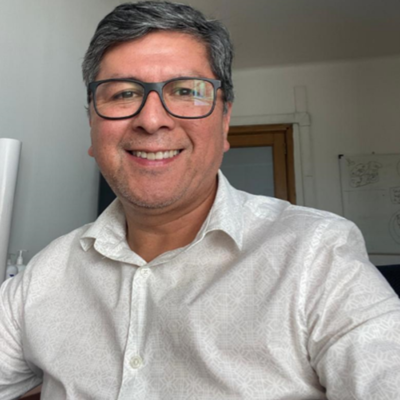
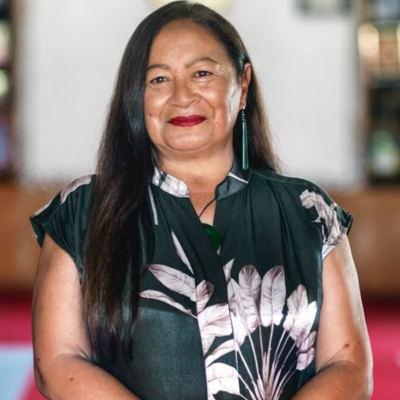
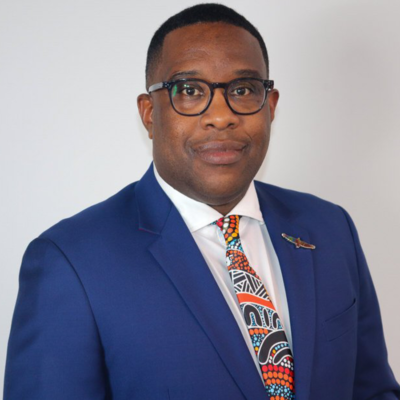
Hans is the Associate Deputy Secretary for the Aboriginal Economic Development Branch with Department of Jobs, Skills, Industry and Regions.
He has extensive experience in cultural inclusion strategies, Treaty, economics, strategic development, workforce capability, social enterprise, commercial and native title law. He also has extensive experience in navigating complexity and brings with him a strong background of commercial insight and expertise.
Hans has working knowledge of Aboriginal communities, economic development priorities and culturally appropriate engagement that provides extensive experience in influencing policy and community to deliver on high profile project outcomes. He has a strong stakeholder network and is known for his advocacy of advancing Aboriginal affairs and interests across government. And he is an accredited Mediator.
- Inaugural Director of the Aboriginal Melbourne Branch at the City of Melbourne
- CEO of a Native Title Representative Body
- Barrister at the Victorian Bar specialising in general commercial law
- Articled Clerk/Solicitor at Deacons Lawyers (now Norton Rose Fulbright)
- Lecturer at Deakin University (Subjects taught – Competition Law and Taxation) and lecturer at Victoria University (Subject taught -Evidence)
- Research/Judges’ Associate at the Federal Court of Australia – Victorian Registry.
- Business, management, and leadership Consultant.
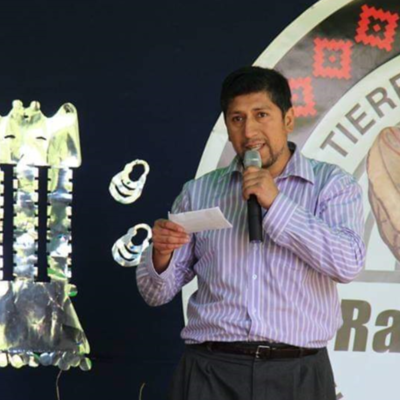
Shar Amner (Iwi: Ngāti Rangi, Raukawa, Ngāti Kea Ngāti Tūāra, Ngāti Rangiwewehi) is General Manager Māori at the Ministry of Business, Innovation & Employment (New Zealand), leading Māori economic strategy and Treaty partnership management. After eight years as director, Shar recently became Chairman of Ātihau-Whanganui Incorporation that manages 43,000 hectares across sheep, beef, dairy, forestry and honey operations for over 10,000 shareholders. His governance experience includes chairing Ngāti Rangi Trust and negotiating its Treaty Settlement with the Crown in 2018. Active in capital mobilisation initiatives including the “Māori Access to Capital” programme and Indigenous trade development. Under his leadership, MBIE delivered Te Ōhanga Māori Report 2023, demonstrating the Māori economy’s $30 billion GDP contribution to New Zealand. He recently attended Indigenous Peoples Week in Osaka as part of Te Aratini, advancing international Indigenous economic partnerships. With international commercial experience across food businesses and economic investments, Shar combines practical policy expertise with large-scale agribusiness knowledge. His strategic approach enables Indigenous economic participation at scale while remaining grounded in cultural values and intergenerational thinking. Shar’s results-focused leadership bridges traditional knowledge systems with contemporary capital markets, creating pathways for Māori economic advancement serving both community aspirations and national interests. Rugby has shaped his leadership philosophy through university rugby in the United States and now supporting his teenage sons’ careers, reinforcing discipline, collaboration and building foundations for success.
Luis Felipe Duchicela is a highly influential global advisor on Indigenous Peoples’ rights and development. Of Kichwa descent from Ecuador, his extensive career spans government, multilateral agencies, civil society, and the private sector, all with a focus on advancing self-determination and prosperity for Indigenous communities.
He served as Ecuador’s first National Secretary of Indigenous Peoples, where he launched a landmark $50 million development program. At the World Bank, he was a key figure in the reform that led to the adoption of the Environmental and Social Standard for Indigenous Peoples (ESS7).
His experience also includes roles as a senior advisor at USAID, a leader in Indigenous governance at BHP, and director of non-profit organizations like the Amazon Conservation Association. With master’s degrees from Yale University, he currently advises various organizations on partnership models and business development for Indigenous communities. His lifelong commitment is to foster inclusive and sustainable development.
Brad Jackson is a seasoned strategist and practitioner with over 30 years of experience supporting Indigenous communities across Australia, the Pacific, and globally in designing and implementing resilient, community-led economic systems. He plays a central role in shaping strategic development frameworks and leading the design of scalable, culturally grounded initiatives that unlock long-term prosperity for Indigenous peoples.
Brad has worked with hundreds of communities to translate opportunity into enterprise, guiding the development of market-based solutions that are both practical and rooted in local values. His expertise spans project design, systems thinking, and sustainable enterprise growth, with a proven ability to deliver outcomes that build wealth, improve governance, and embed lasting capacity at the community level.
Andrew Carrier BA, RPT, CHRP is a Registered Professional Trainer and Certified Human Resource Practitioner. Andrew retired from the Government of Manitoba in 2017 and is currently the Vice-President of the Winnipeg Region for the Manitoba Métis Federation. Andrew has over 30 years of volunteer experience within the Métis, First Nation, Persons with Disability, and non-profit organizations such as the Indigenous Leadership Development Institute, The Truth and Reconciliation – Governing Circle, Indian and Métis Friendship Centre of Winnipeg, and Canadian Paraplegic Association. Since 2000, Andrew is a Board member of the Indigenous Leadership Development Institute and Chairperson since 2013.
John Tuiono is the General Secretary of the Fiji Chapter of the World Indigenous Business Network (WIBN) and a founding member of the chapter in Suva, Fiji. He has led the inaugural two-day mini-conference and the Fiji Chapter’s first WIBN Council Meeting, registering over 150 businesses—including Fijian diaspora enterprises—and promoting indigenous participation across multiple sectors. John represents Fiji at annual WIBN and WIBF meetings, providing research, policy advice, and advocacy to connect Fijian businesses to a global network spanning more than 80 countries.
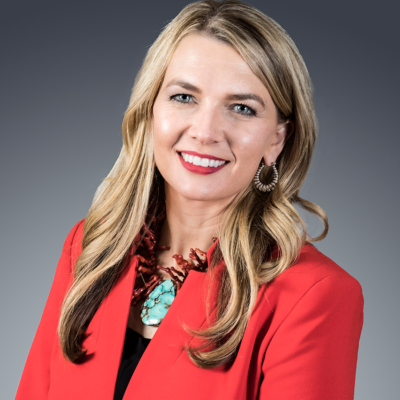
Sandi Lesueur is a Canadian visionary powerhouse with a heart-led mission: to heal mind, body, and soul — not just for individuals, but for entire communities and ecosystems.
She is a globally recognized leader in regenerative hospitality, ESG-driven development, and wellness real estate innovation. As Founder & CEO of VIRTU Resort & Residences Ltd., Sandi leads the creation of sustainable, culturally immersive resort communities across Europe, and Canada, — integrating renewable energy, circular design, and deep Indigenous and community engagement.
With over 30 years of experience in wellness and sustainable strategy, she is known for her vision of transforming luxury destinations into platforms for healing, environmental resilience, and economic empowerment.
Sandi serves as Principal of Sustainable Economic Development on the board of the World Indigenous Business Network, where she advances Indigenous-led investments and globally sustainable models. She is also the catalyst behind a first-of-its-kind ESG-focused hospitality fund in collaboration with the World Sustainable Hospitality Alliance (WSHA), where VIRTU has been selected as the global accelerator model.
As Board Advisor on Sustainable Products to Hotec, Sandi guides innovation in procurement to ensure suppliers meet rigorous wellness and environmental standards. Additionally, as Chair of the CleanTech Alliance Hospitality Real Estate Cluster, she champions the convergence of clean technology, cultural stewardship, and regenerative design.
Sandi’s work proves that hospitality can be more than luxurious — it can be transformative, healing, and regenerative, leaving a lasting legacy for both people and planet.
Richard has worked for the last 35 years supporting Mãori economic development throughout Aotearoa/New Zealand. As a Mãori Development Consultant, Richard has supported Mãori tribes, landowner organisations and Mãori businesses to work towards their potential and be successful.
Richard has served in a range of senior management and governance roles – including his own tribal Board – and is still active in tribal affairs. He has been married for nearly 40 years to Gerardine and has six amazing children.
Richard has been exploring relationships and opportunities for indigenous business collaboration since first attending WIBF in 2012. He established Te Ohu Whai Ao Trust to host WIBF 2018 and to represent Mãoridom in the World Indigenous Business Forum.
Recently, Richard has joined Tiaki Global as CEO. Tiaki Global is a Mãori owned IT company developing Data Centres (currently in Australia, New Zealand and the Pacific). The platform includes an Indigenous Sovereign Cloud solution, high level international security standards, and involves a range of international partners and clients. Data Centres represent a greenfield industry with exponential growth internationally. Richard wants to see indigenous people involved in this new industry as early adopters and Tiaki Global provides that opportunity.
Tiaki Global also: develops indigenous ideas into Software as a Service (SaaS) products; delivers training designed for indigenous youth into IT engineer careers; and provides Managed Desk Services.
- Ripples from the Zambezi: Passion, Entrepreneurship, and the Rebirth of Local Economies
- How to Start a Business and Ignite Your Life: A Simple Guide to Combining Business Wisdom with Passion
- Boundary Riders , Innovation inside Companies (to be published 2026)
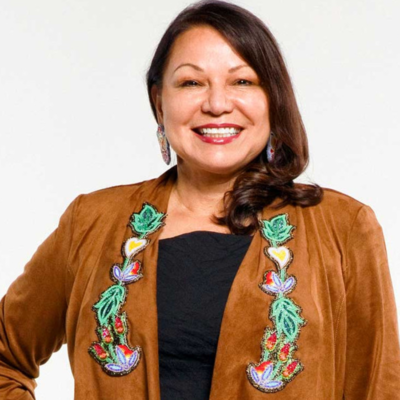
Gail Chamberlain is a First Nation cultural entrepreneur and owner of Original Traders, based in the greater Montreal area of Canada. Her work honors the richness of her culture and the legacy of the original traders and merchants — the first visionaries of commerce on this land we call Turtle Island. That legacy lives through her as she creates authentic, Indigenous-made wearable art accessories that celebrate heritage while embracing innovation.
Counterfeit imports continue to misrepresent and exploit Indigenous cultural products and identity, threatening authentic products and the economic sustainability of Indigenous artisans. In response, Gail is leading a shift in cultural entrepreneurship that blends innovation with tradition. She operates a small-scale manufacturing studio where she locally produces beaded and laser-cut wearable art accessories (jewelry) using CO₂ and fiber laser cutting. As the first Indigenous entrepreneur to integrate ZSK’s bead embroidery technology into her process, she combines advanced tools with cultural intention — not only to preserve authenticity, but also to scale production and keep Indigenous-made products competitive in a marketplace flooded with mass-produced imports. Her business is proudly open to collaboration, especially with other innovative creators who share a commitment to cultural integrity.
Gail’s connection to culture guides her work. She supports fellow Indigenous businesses in their journey toward growth. Her mission is to champion and reclaim Indigenous intellectual and cultural property rights. Her work carries the wisdom of the past, nurtures the present, and plants seeds for the future.